
As therapists, we are taught to ensure the therapeutic space is one where our political beliefs do not shape our client’s feelings, thoughts, or actions. We are taught to be ‘neutral ’-but what about neutrality beyond the therapy room?
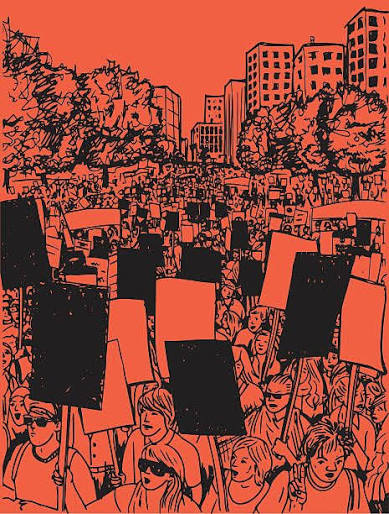
This World Mental Health Day (October 10, 2026), we saw female protestors being dragged by their hair. This World Mental Health Day, we learnt that the police personnel are sexually assaulting female protestors. This World Mental Health Day, we saw aged people, people with children, people with disabilities, everyone being abused for simply protesting. How can we talk about mental health if this is the world we live in?
As therapists, we use a lot of valuable tools for our clients - grounding techniques, breathing, reframing- but how do you ground through a political chaos that is making us realize that this country doesn’t care for its citizens? How do we reframe the harrowing realization that the government could care less about our rights and safety? How do we breathe through a realization that voicing our opinion could lead to our bones being broken? All techniques and modalities of therapy are very useful and helpful depending on client concerns, but none of those modalities mean anything if we can’t and don’t question the system giving birth to the circumstances.
Aren't Therapists supposed to be Politically Neutral?
We can disagree about political ideologies, policies, strategies, and the decisions made by governments. We can recognise that political events often have complicated histories and that our understanding of them may be incomplete. But we can also uphold principles that make it possible for people with different beliefs to live together: dignity, equality before the law, freedom of expression, peaceful assembly, due process, and protection from arbitrary uses of power. Rights mean very little if we defend them only for people we agree with.
The Constitution, Fundamental rights, and the people they are meant to Protect
When people question the actions of those in power, they are not necessarily rejecting the country they belong to. They may be asking that the principles their country promises be upheld in practice. And surely, we should be able to hold both ideas at once: that people can care deeply about their country and that they can question the actions of its government. The country is not the government. India is its people. A country cannot be reduced to the people who govern it at a particular moment in time. Nor should patriotism require unquestioning acceptance of every decision made in its name. A system is meant to serve the people. The people should not have to surrender their dignity to protect a system from criticism.
What does all of this have to do with being a Therapist?
If we believe that people's psychological well-being is affected by their environments, can we ignore the conditions that make them feel unsafe? If we believe in autonomy, can we dismiss concerns about people's freedom to express themselves? If we believe in equality, can we overlook questions about whether people are being treated fairly? If we believe in dignity, can we remain indifferent when the dignity of others is called into question? These are questions worth asking.
As therapists, we have a responsibility to respect the autonomy of the people we work with. We also have an opportunity to reflect on what our professional values mean beyond the therapeutic relationship. We do not have to endorse a political party to care about people's rights. We do not have to agree with every protest to recognize the importance of peaceful assembly. We do not have to share someone's beliefs to believe that they deserve dignity, fairness, and protection under the law. And we do not have to pretend that power does not matter to practice responsibly.
Perhaps the more important question is not whether therapists should be political. Perhaps it is whether we can genuinely claim to care about people's psychological wellbeing while refusing to acknowledge the social conditions that threaten their safety, dignity, and freedom. Professional neutrality should not require moral indifference. Because the point was never to protect a system from criticism. It was to protect the people that systems are supposed to serve.